Jun 27, 2026
Medical Imagery Direction-Designing Medical Imagery with Empathy
Designing Medical Imagery with Empathy: Why Shock Should Not Be the Default
Medical imagery holds power.
It can educate. It can validate. It can build trust.
But it can also overwhelm, sometimes unintentionally.
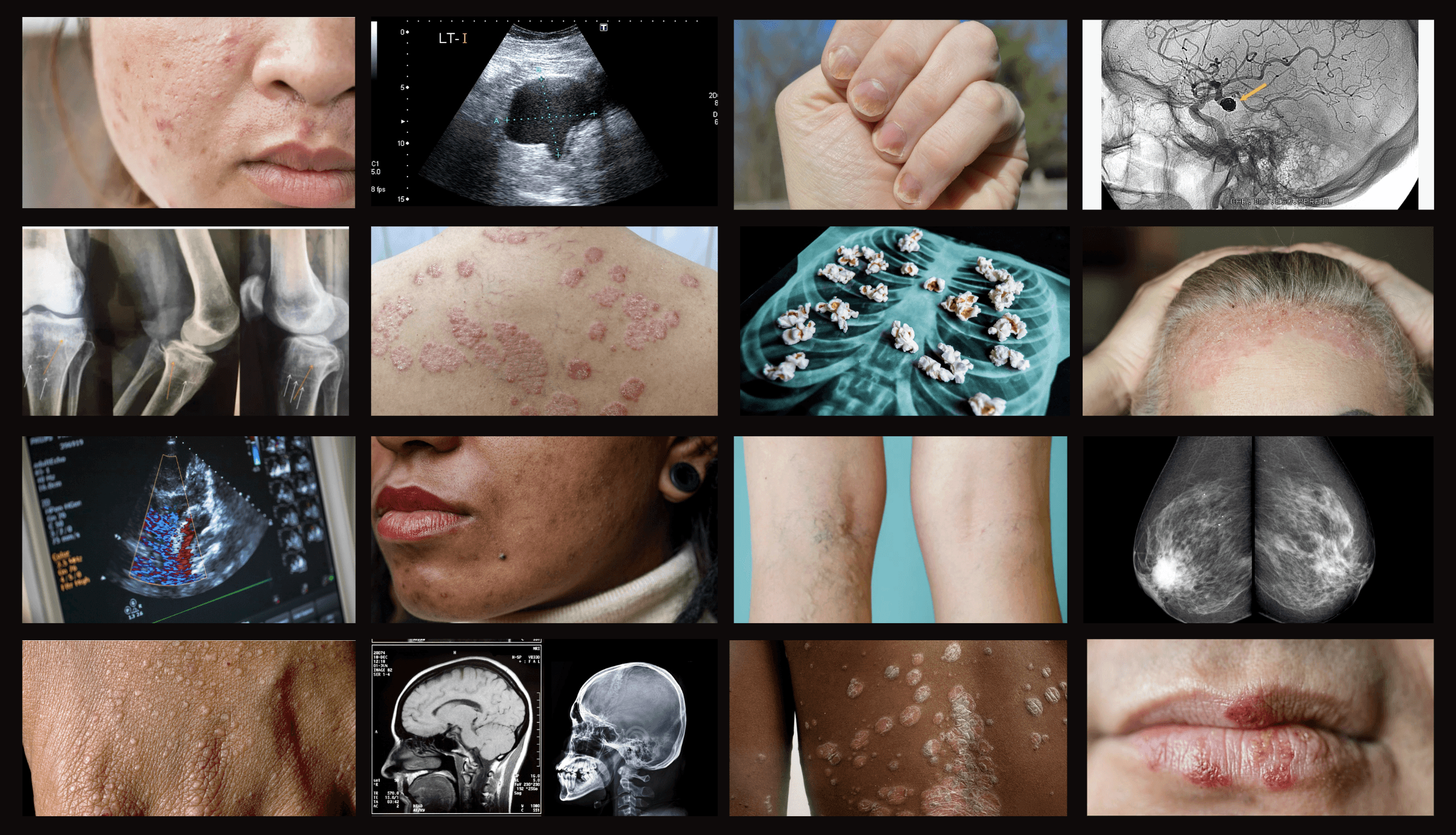
While reviewing high-visibility medical editorial content, I began to notice a recurring tension: images were medically accurate, yet visually intense: hyper-saturated redness, high contrast, sharp texture, clinical lighting. The visuals did their job, but at a cost.
The question wasn't whether the imagery was correct.
The question was whether it was considerate.
In medical publishing, readers often arrive in moments of vulnerability. They are searching for symptoms, diagnoses, and possibilities. The visual experience matters as much as the written one.
So I began reframing the role of medical imagery direction:
Accuracy is non-negotiable. Shock is not required.
From Reaction to Responsibility
The first step was to introduce viewer awareness of high-impact visuals. Subtle acknowledgment screens, not dramatic warnings, but respectful signals, allowed readers to opt in before encountering sensitive imagery.
This shifted the experience from passive exposure to informed consent.
It was a small design decision with significant psychological impact.
Editorial Tone as a Trust Strategy
Beyond viewer notices, I explored the tonal language of medical visuals themselves.
Often, what makes an image feel alarming is not the condition, but the treatment:
• Oversaturated reds
• Harsh lighting
• Extreme contrast
• Clinical sharpness
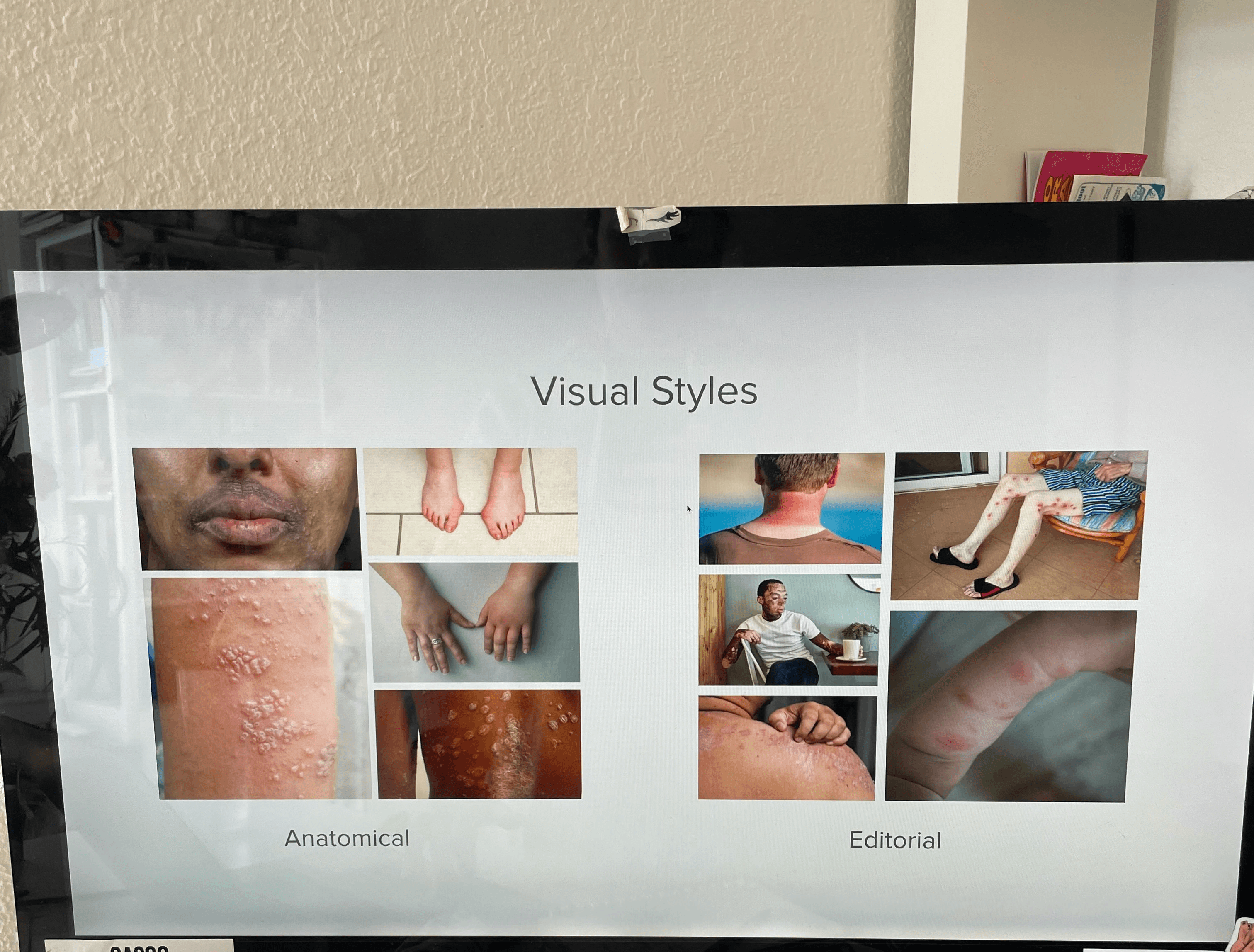
By guiding subtle editorial adjustments, lowering saturation, softening highlights, and moderating color intensity, we preserved medical clarity while reducing visual aggression.
The same condition.
A different emotional experience.
This approach positioned medical imagery closer to editorial storytelling rather than clinical documentation, creating space for understanding rather than shock.
Building Systems, Not Just Style
At scale, thoughtful direction requires infrastructure.
I conducted deep sourcing research across Getty, Alamy, Shutterstock, and partner libraries, creating condition-specific boards and visual taxonomies. This transformed medical image selection from reactive searching into an organized, rights-aware, time-efficient system.
The outcome was not just aesthetic cohesion, but operational clarity.
The Broader Philosophy
Medical imagery is not neutral. It shapes perception, emotion, and trust.
Designing responsibly means asking:
How will this image make someone feel?
Are we informing or overwhelming?
Are we building trust or unintentionally eroding it?
In editorial medicine, empathy is not softness.
It is a strategy.
And when visual systems are designed with care, medical content becomes not only accurate, but accessible.
Live Articles:
5 Types of Acne Scars and How to Treat Them
Mild Psoriasis Symptoms by Type (With Pictures)
What Is a Lipoma?