Jun 1, 2024
Medical Imagery Direction
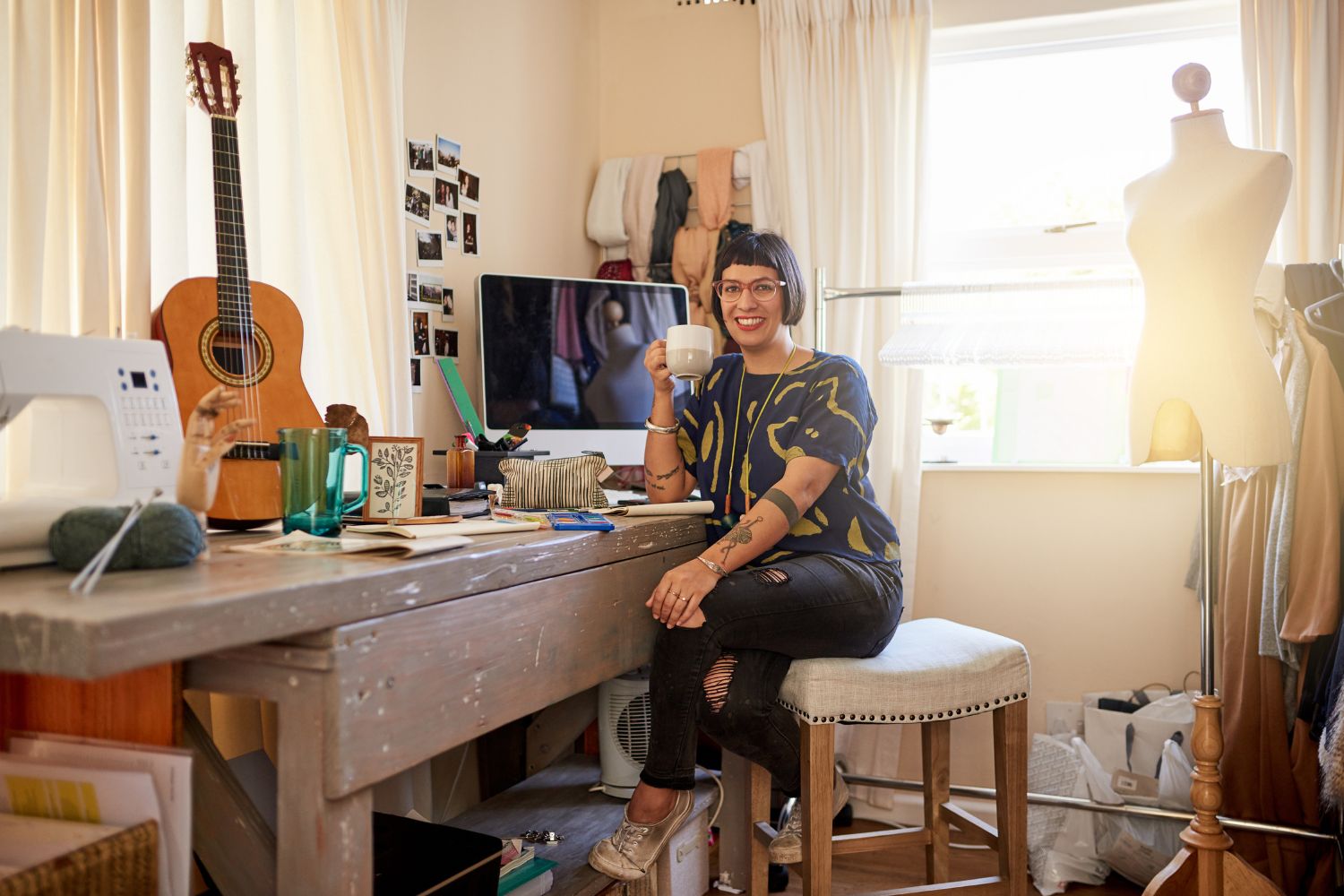
Medical Imagery Direction: Editorial Features & Thumbnails
In Partnership with Getty Images
Medical editorial content often struggles with how to visually represent medical and dermatological conditions without overwhelming or discouraging readers. The approach here focused on creating imagery that feels editorial, approachable, and cohesive — visuals designed to sit naturally alongside medical text and encourage engagement rather than fear or avoidance.
The work developed through close collaboration between the Creative Team, Medical Team, and Medical Review stakeholders. Together, we identified gaps in existing imagery and aligned on a shared goal: visuals that could support click-through and reader interest while maintaining medical accuracy, sensitivity, and trust. A clear proposal was developed outlining the creative direction, editorial value, and long-term benefits of investing in original medical photography. This documentation supported early budget approval and ensured stakeholder alignment before production began.
Representation was a central consideration throughout the creative direction. Medical and dermatological conditions were intentionally depicted across a wide range of skin tones, moving beyond imagery centered on white skin. Showing conditions on darker and varied skin tones was essential to improving identification, credibility, and inclusivity for diverse audiences engaging with medical content.
Once approved, planning and execution unfolded over four to six months. Detailed briefs were created, image needs were defined, and budgets, timelines, and deliverables were aligned in partnership with Getty Images. Creative decisions around composition, lighting, and framing were guided by real editorial use cases — particularly thumbnails, feature modules, and cropped placements where visual clarity and restraint matter most.
The final deliverables resulted in a library of original medical editorial imagery that can be used across brands, campaigns, and social platforms without relying on high-impact visuals or warning screens. Designed with intention and care, the imagery supports medical storytelling in a clear, respectful, and engaging way — helping readers feel informed and represented while preserving trust and editorial integrity.
Medical Imagery Direction: Editorial Features & Visual Systems
In Partnership with Getty Images
Designing for Editorial Medical Context
This project was developed to address a specific challenge in medical editorial content: how to visually represent medical conditions in a way that supports understanding and engagement without overwhelming or alarming the reader. Rather than relying on high-impact or clinical imagery, the goal was to create medical visuals that felt editorial, approachable, and cohesive — designed to live comfortably alongside written content.
The intent was not to dilute medical accuracy, but to present it in a way that invited readers in rather than pushing them away.
Aligning Creative, Medical, and Business Needs
From the start, this was a collaborative effort between the Creative Team, Medical Team, and Medical Review stakeholders. Together, we identified a shared need: imagery that could increase engagement and click-through while maintaining medical integrity and reader trust.
Before any production began, we developed a clear proposal outlining the creative approach, editorial benefits, and long-term value of investing in original medical imagery. This included defining visual guardrails, use cases, and success criteria — allowing leadership to understand not just what we wanted to create, but why it was a responsible and strategic investment.
Securing budget approval early was essential. It allowed us to plan thoughtfully, rather than reactively, and ensured that creative decisions were grounded in both editorial impact and business value.
Building a Thoughtful Production Framework
Once approved, the project moved into direction and planning. We developed detailed briefs, defined the types of medical imagery needed, and worked closely with Getty Images to align on scope, timelines, and deliverables. Budget, usage rights, and production constraints were discussed transparently, creating a shared foundation for the work.
This back-and-forth process unfolded over four to six months, allowing space for iteration, review, and alignment across teams. Medical accuracy, visual restraint, and editorial usability guided every decision.
Editorial Restraint and Long-Term Value
The final imagery was intentionally designed for versatility — suitable for article features, thumbnails, cropped placements, and social distribution without requiring warning screens or high-impact visual framing. Medical conditions were shown in a clear, human, and respectful way, allowing readers to feel seen rather than startled.
The result is a library of original medical editorial photography that can be used across brands and campaigns — demonstrating how cross-functional collaboration, thoughtful budgeting, and creative direction can elevate medical content while preserving trust and accessibility.
Related Post
More stories to explore.